Skopje Tourist Trap: I Paid $320 for Tea in the Old Bazaar (2026 Warning)
A firsthand account of being charged 8,000 MKD per kilo at Mimosa shop in Skopje — that's a 400% markup. What to watch for, and how to shop safely in Skopje, Macedonia.
SKOPJETRAVELSCAMWARNINGBALKANS
Zayera Khan
4/12/20265 min read
I Paid 17,735 MKD ($330) for Three Teas and a Bottle of Rose Oil in Skopje.
Skopje's Old Bazaar is genuinely one of the most atmospheric markets in the Balkans — Ottoman-era lanes, the smell of spices, vendors who seem happy just to chat. I loved it. Right up until I walked into Mimosa Natural and handed over the equivalent of €285 for a few bags of loose-leaf tea and a small bottle of rose oil.
I have the receipt. Both of them, in fact.
What I bought — and what it actually cost
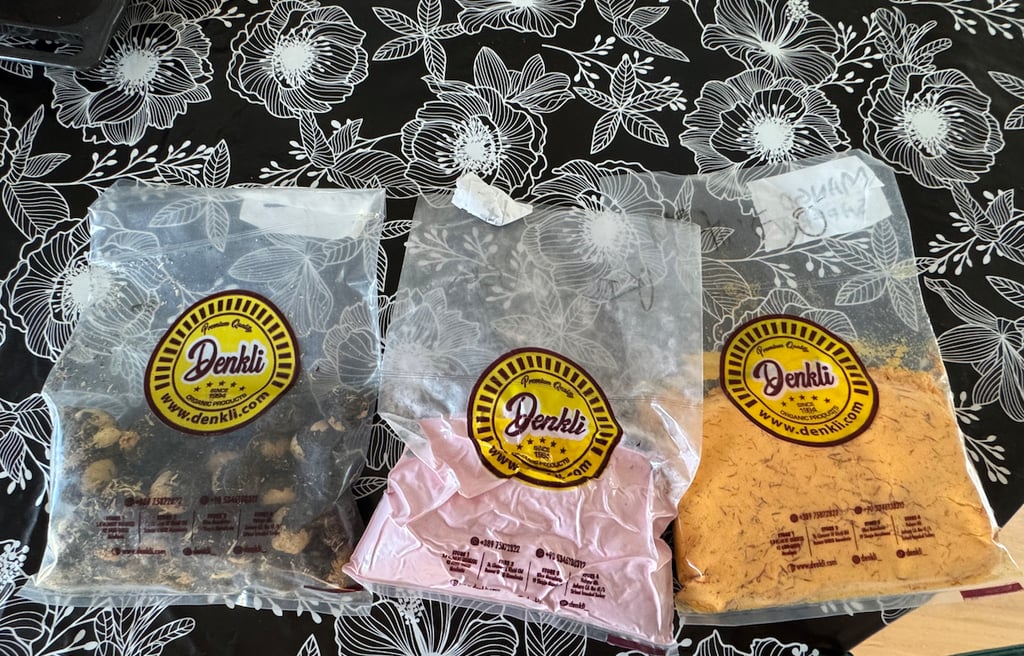
The shop is polished, the staff warm and attentive. I picked up three types of loose-leaf tea and a small bottle of rose oil, which turned out to be the cheapest single item on the bill. Here is exactly what I was charged, taken directly from the receipt:
Rose oil: 5,700 MKD (unit price, ~€92 / ~$108)
Tea × 3 teas, weighed by the gram:
550g × 8,000 MKD/kg = 4,400 MKD
540g × 8,000 MKD/kg = 4,320 MKD
690g × 3,500 MKD/kg = 2,415 MKD
One further item: 900 MKD
Total: 17,735 MKD — approximately €285 / $330.
For context: quality loose-leaf tea from honest vendors in the same bazaar costs between 1,500–2,000 MKD per kilo. I was charged 8,000 MKD per kilo. That is a markup of 400%.
How it happens — and why it's so easy to miss
At no point during my visit were the per-kilo prices displayed visibly in the shop. The staff did not offer to explain the price per kilogram, and they certainly did not volunteer a euro equivalent. Tea was scooped, weighed, and packaged in a seamless, friendly flow that felt like a premium shopping experience — right up to the moment the total appeared.
By then, the products were already bagged.
The receipt confirms the branch: Mimosa 2 Skopje, ul. Makedonija br. 19, Skopje-Centar — not a market stall in a back alley, but a shopfront on the main shopping street in the city centre. Mimosa Natural operates multiple locations across Skopje, including branches in the Old Bazaar and on the main pedestrian strip. This is a chain, not an isolated bad actor.
When I raised the issue, the answer was no refund. The only option offered was an exchange — for other products at the same prices.
What to do instead
→ Before anything goes on the scale, ask: "What is the price per kilogram, in euros?" If they can't or won't answer clearly, walk out.
→ Do the conversion on your phone before you reach the counter. 1,000 MKD is roughly €16. A bill of 17,000 MKD is €275 — that should never come as a surprise for tea and one small bottle of oil.
→ There are excellent spice and herb vendors throughout the Old Bazaar with honest pricing and visible price tags. Take ten minutes to browse before committing anywhere.
→ If you see a Mimosa Natural — in the bazaar, on Makedonija street, or anywhere else in the city centre — treat it with caution.
Skopje is a wonderful city and the Old Bazaar is absolutely worth your time. But Mimosa Natural is charging luxury-boutique prices in Stockholm or London — with zero transparency and no recourse if you object. The receipt doesn't lie.
Share this before someone else's holiday gets an expensive footnote.
#Skopje #MimosaNatural #TouristTrap #NorthMacedonia #OldBazaar #SkopjeCentar #TravelWarning #ScamAlert #TravelTips
Is the Old Bazaar in Skopje safe for tourists?
Yes — the Old Bazaar (Stara Čaršija) is generally safe to visit during the day. Pickpocketing is the main risk to be aware of, as in most busy markets. The bazaar dates back to the 12th century and is very much the domain of locals, without the heavily over-touristic feel of some other regional marketplaces.
The more relevant danger for tourists isn't personal safety — it's pricing. A small number of shops deliberately withhold per-kilo prices and rely on currency confusion to charge visitors several times the local rate. Stay alert, always ask for prices before anything is weighed, and you'll have a great time.
What is the MKD exchange rate? (Denar to USD/EUR)
As of early April 2026, 1 EUR equals approximately 61.6 MKD, meaning 1 MKD is worth around €0.016. Against the US dollar, 1 MKD is currently worth approximately $0.019, so 1 USD buys roughly 52–53 MKD.
A quick mental shortcut: 1,000 MKD ≈ €16 / $19. This matters more than it sounds. My receipt at Mimosa Natural came to 17,735 MKD — a number that sounds abstract until you realise it equals roughly €285 or $330. The staff quoted nothing in euros, offered no per-kilo price in any currency, and the total only appeared once everything was already bagged. At that point the mental arithmetic is hard to do under social pressure, in a foreign currency, in a busy shop. That is not an accident.
Are there good spice and tea shops in Skopje's Old Bazaar?
Absolutely. The Old Bazaar is the oldest marketplace in the Balkans and one of the original trading hubs in Europe, with generations of spice, herb, and tea vendors among its most authentic offerings. Quality loose-leaf tea from honest vendors in the bazaar should cost between 1,500–2,000 MKD per kilo — I know this because my own receipt from Mimosa Natural shows I was charged 8,000 MKD per kilo for two of the three teas I bought, and 3,500 MKD per kilo for the third. That is a 400% markup on the upper end. There is also a bustling traditional market area where locals shop for everyday goods, which tends to have far better pricing than the more tourist-facing lanes. Browse several vendors, look for clearly posted prices, and don't let anyone rush you to a scale.
What is Mimosa Natural Skopje?
Mimosa Natural (registered as Mimosa Naturpl DOO, headquartered in Ohrid) is a chain of shops selling loose-leaf teas, herbal blends, spices, and natural products including rose oil and similar botanicals. It operates multiple locations across Skopje — including at least one branch in the Old Bazaar and a second confirmed location at ul. Makedonija br. 19, Skopje-Centar, on the main pedestrian shopping street. This is not a market stall or a one-off vendor: it is a registered company with a chain presence in the highest-footfall tourist areas in the city.
The shops present as premium natural goods stores — attractive packaging, attentive staff, a curated atmosphere. What they do not do, in my direct experience, is display per-kilo prices visibly in the shop, or volunteer a euro equivalent when products are being weighed and packaged. My receipt tells the story clearly:
Two teas charged at 8,000 MKD/kg (local market rate: 1,500–2,000 MKD/kg)
One tea charged at 3,500 MKD/kg
Rose oil at 5,700 MKD per unit — the single cheapest item on the bill
Total: 17,735 MKD (≈€285 / $330)
When I raised the issue, the answer was no refund. The only offer was an exchange for other products at the same prices. If you encounter a Mimosa Natural anywhere in Skopje — in the bazaar, on Makedonija street, or elsewhere — ask for the price per kilo in euros before anything is weighed. If that information isn't given clearly and upfront, walk away.