Möja: Where Stockholm's Archipelago Finally Runs Out of Words
Möja sits at the boundary between Stockholm's middle and outer archipelago — remote enough to feel like a discovery, connected enough to reach without a boat of your own. Here's how to get there, where to paddle, where to sleep, and why this corner of the skärgård should be on everyone's list.
Zayera Khan
8/10/20257 min read
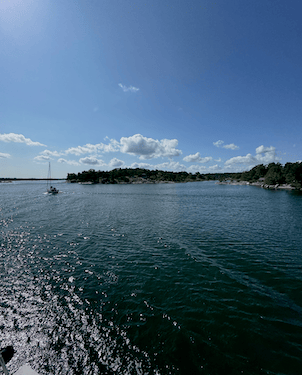
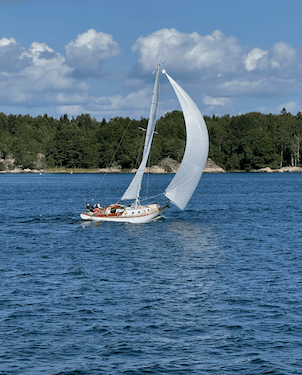
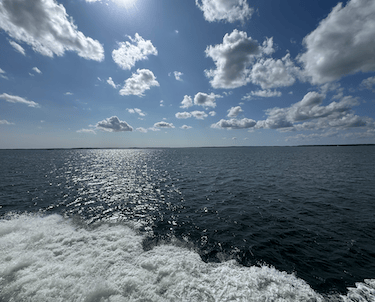
There's a moment, somewhere around the third hour of a Waxholmsbolaget ferry from Strömkajen, when Stockholm feels like a rumour. The water has widened. The islands have thinned. The pine-covered cliffs have given way to bare rock and open sky. You're no longer in the middle archipelago — you're at its outer edge. And if you're heading to Möja, that feeling is entirely the point.
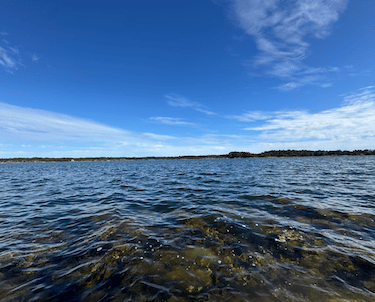
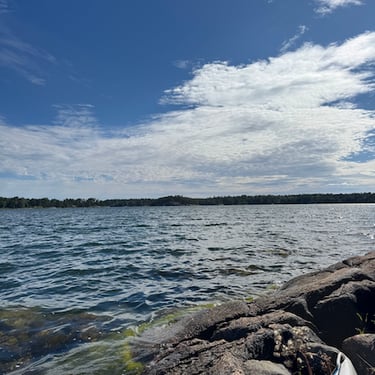
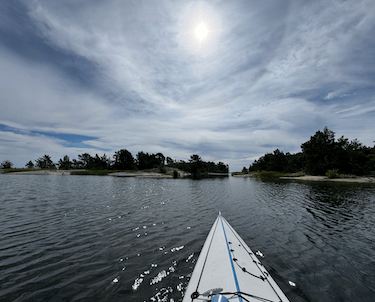
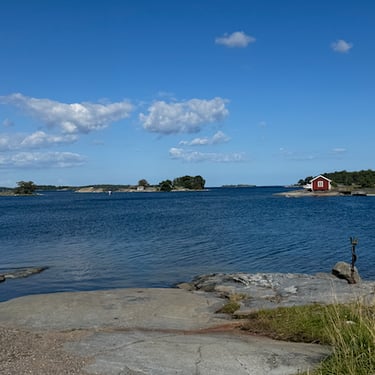
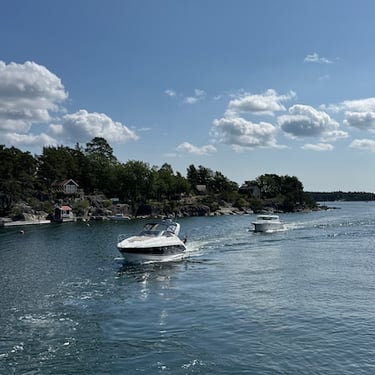
Möja is one of the largest islands in Stockholm's central archipelago, and one of the few that still functions as a real community rather than a summer ghost town. Around 230 people live here year-round. There's a Coop, a church, a handful of villages connected by a gravelled road, and a particular quality of light in the evenings that people who've been once tend to talk about for years. But what draws the more adventurous visitor — the ones who pack drybags rather than roller suitcases — is what lies immediately to the east of the island: the Storö-Bockö-Lökaö Nature Reserve. Most people call it Möjaskärgården, and it is, without exaggeration, one of the most beautiful paddling areas in northern Europe.
The Reserve: What You're Actually Getting Into
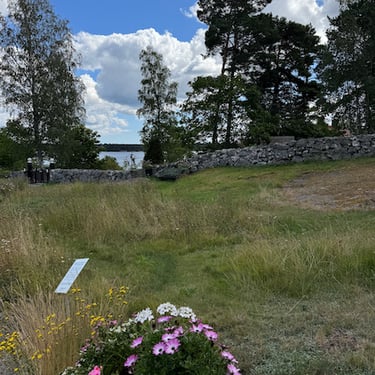
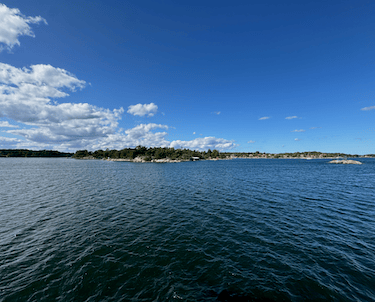
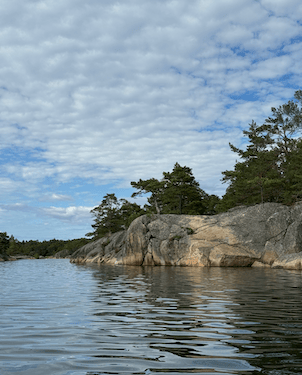
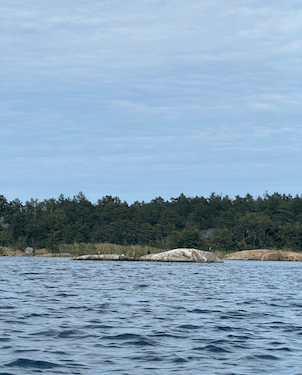
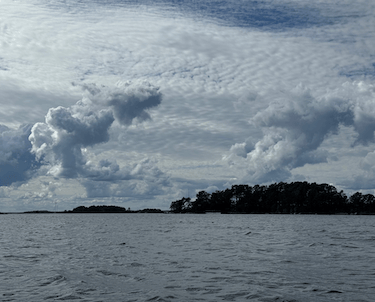
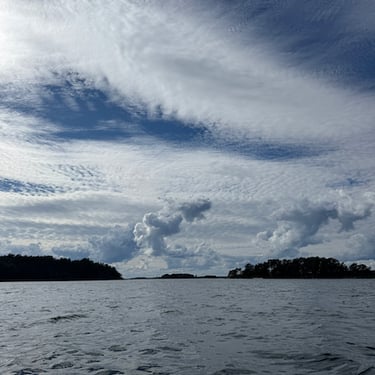
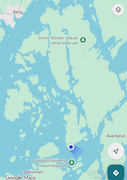
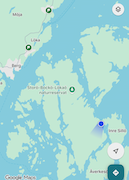
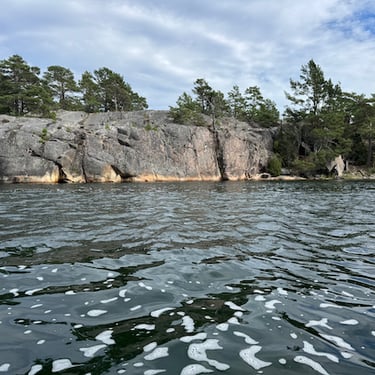
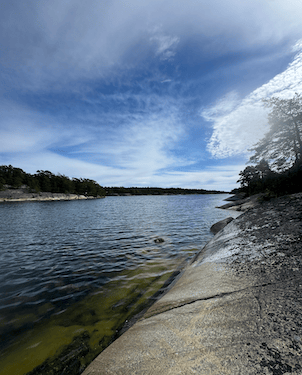
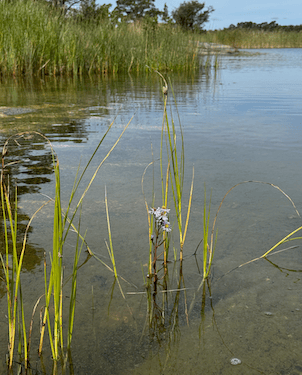
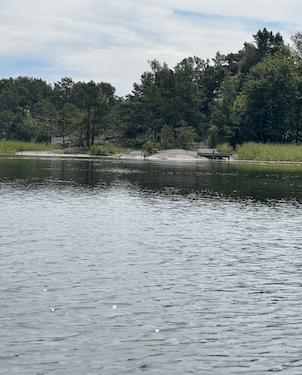
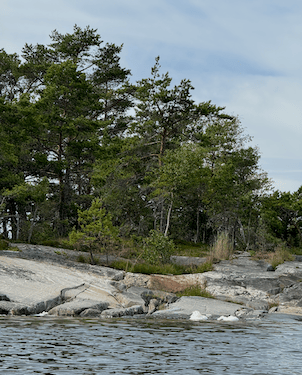
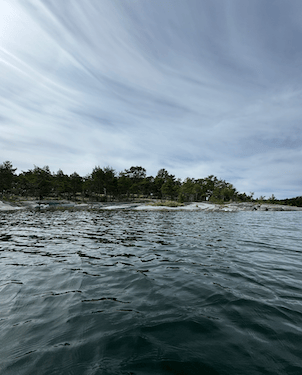
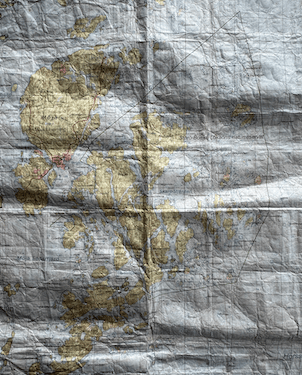
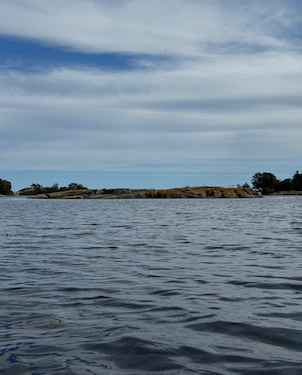
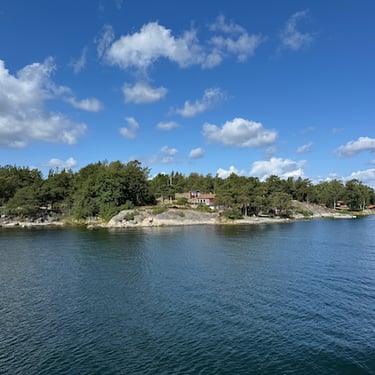
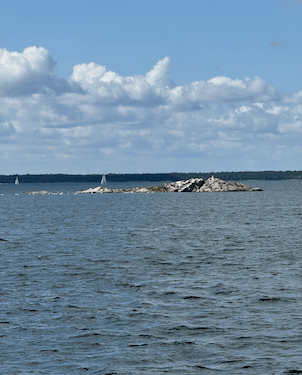
Storö-Bockö-Lökaö's nature reserve — or Möjaskärgården, as it's commonly known — is a large archipelago area at the boundary between the middle and outer archipelago, east of Möja. It contains over 150 islands, islets and skerries with high nature and scenic values, including vertical cliff faces, swimming rocks and distinctive archipelago flora.
The reserve was established to protect a valuable outdoor recreation area for the public, and to preserve the area's plant and animal life in its distinctive archipelago nature. In practice, this means the kind of stillness that's increasingly rare anywhere within two hours of a capital city: no motorways, no development noise, just water, granite, and whatever birds happen to be passing through.
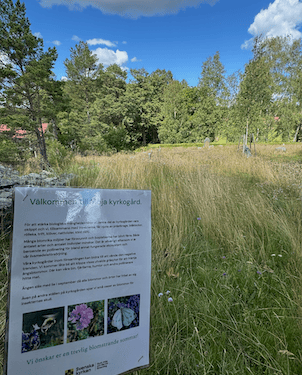
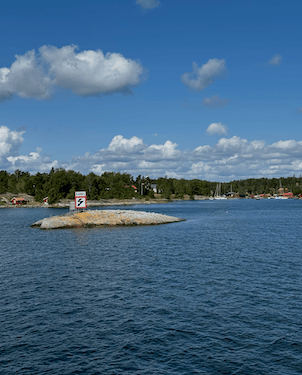
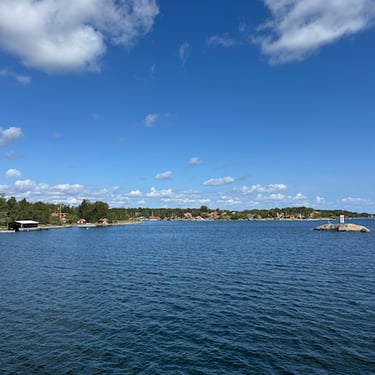
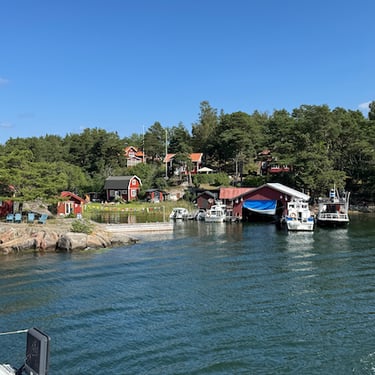
The larger villages of Långvik, Ramsmora, Löka, Berg and Södermöja stretch along Möja and Södermöja's eastern coast — sheltered harbour inlets that have attracted settlement since the Middle Ages. Paddling through them feels like moving through living history.
Möja first appears in a land registry from 1543, when there were eleven farms spread across the villages of Berg, Löka, Ramsmora and Långvik. By the 18th century, the island was Värmdö's largest community with over 800 residents. Today that number is a fraction of what it was, but the bones of the old fishing settlements are still visible if you know where to look.
Getting There: Your Options
Möja is reachable by water year-round, which is part of what makes it unusual among the outer islands.
By Waxholmsbolaget (year-round): You can travel by ferry all the way from Stockholm city — a beautiful journey of about three hours through the entire middle archipelago. To shorten the boat trip, you can board at Nacka, Waxholm, or Sollenkroka on Värmdö, which takes approximately 1–1.5 hours. Check current timetables at waxholmsbolaget.se. Importantly, all Waxholmsbolaget traffic is part of Stockholm County's public transport network — you don't book seats in advance, the boats work like buses and trains at sea. A five-day archipelago pass (båtluffarbiljett) costs 445 SEK and is valid for five days from first use — excellent value if you're island-hopping.
By Cinderellabåtarna (spring–autumn): Cinderella boats to Möja depart from Strandvägen in Stockholm, with services beginning from mid-April. Journey time is approximately three hours. Check timetables at stromma.com.
By taxi boat: Möja Båttaxi runs regular services between Sollenkroka and Möja during ice-free periods. The journey must be pre-booked by phone on +46 8 98 11 25.
Practical note on getting to Sollenkroka: Take the SL bus from Slussen. In summer, parking at Sollenkroka is extremely limited — don't drive if you can avoid it.
Kayaking: Where Möja Becomes Something Else
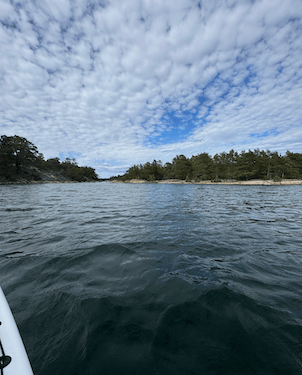
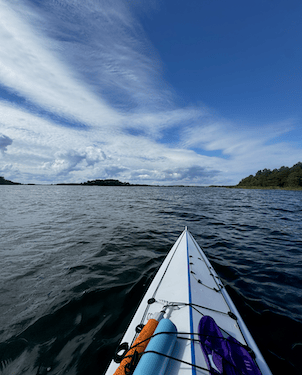
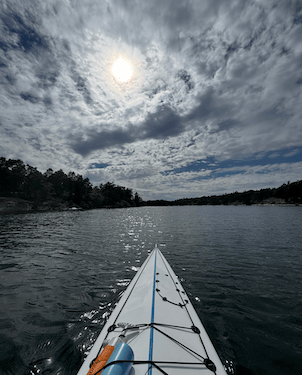
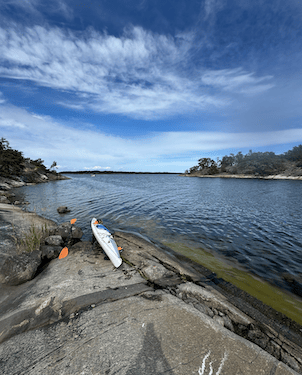
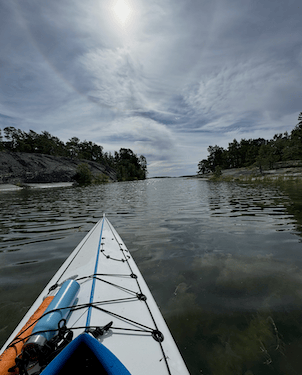
Once you're on Möja, the kayak changes the entire equation. On foot or by bike you can see the island; by kayak you can enter the reserve.
Möja Outdoor rents kayaks, rowing boats, SUP boards and more for exploring Möja and the surrounding islands. Starting a paddle from this far out in the archipelago enables paddling into the outer skärgård. They also run seal safaris by motorboat and sauna island trips — a good option if conditions aren't suitable for independent paddling. Find them at mojaoutdoor.se.
Kayak rental is available directly on Möja, making it straightforward to arrive by ferry and paddle the same day without needing to transport equipment. Rental typically covers single and double kayaks by the hour, half-day or full day. If you're planning multi-day island camping, speak to the rental operator about extended hire — it's usually possible.
For beginners: The sheltered waters immediately around Berg and the inner skerries are forgiving. Conditions can change quickly in the outer archipelago, and the open water east of the reserve is genuine sea kayaking territory — consult local operators about your level before heading out.
A suggested day route from Berg (approx. 12–15 km): Launch from Bergs brygga, paddle northeast through the narrows past Hemholmen, enter the reserve archipelago via Bockö, find a lunch spot on one of the uninhabited skerries, and return via Lökaön's southern side. The return leg catches afternoon light on the cliffs. Allow five to six hours including stops. Tell someone your plan.
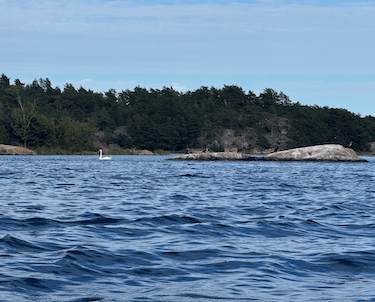
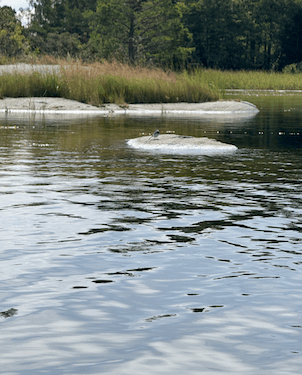
The wildlife: Seals are a genuine possibility in the outer reserve — grey seals haul out on skerries. White-tailed eagles are regularly spotted. The lichens growing in the forest on Möja thrive where light comes through the canopy and the air is clean and humid — a sign of how low pollution levels are out here.
Beyond the Kayak: What to Do on the Islands
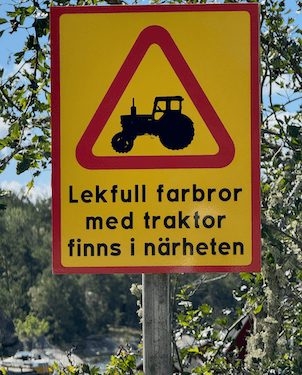
Walk or cycle the length of Möja. A walk along the island is close to 6 km, and if you don't want to return the same way, you can simply take a different jetty home than the one you arrived at. Bike hire is available in Berg and Ramsmora. The gravel road winds through all the villages and past the old fishing harbours — Ramsmora is particularly photogenic, with its preserved boathouses and jetties.
Two nature trails. The northern trail crosses the island, beginning at Ramsmora, passing through Möja Björndalen nature reserve, and ending at Hamn — approximately 4 km. The full loop Ramsmora–Hamn–Berg–Ramsmora is around 12 km. The southern trail is about 3 km and runs in an arc starting and ending near the dance pavilion and ostrich farm in Löka. Yes, there is an ostrich farm. Möja contains multitudes.
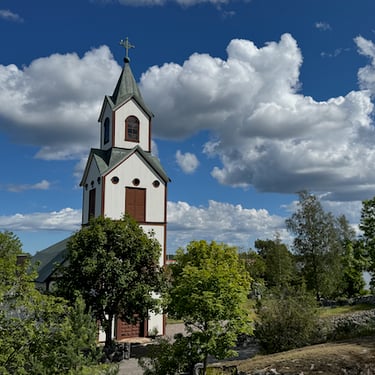
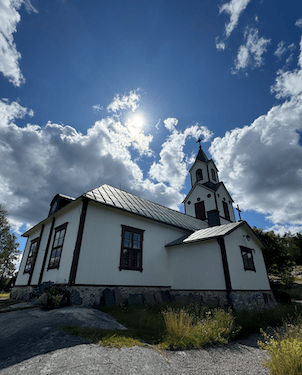
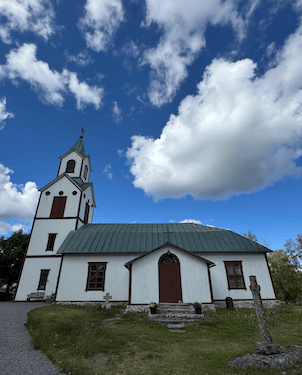
The church and the Ryssugnar. The island was entirely burned down in 1719 during the Russian raids (rysshärjningarna) — only the small chapel in Berg survived. Around 20 ryssugnar (Russian ovens, used for burning buildings) remain on the island's western side, still visible in the landscape. The current church was built in 1768.
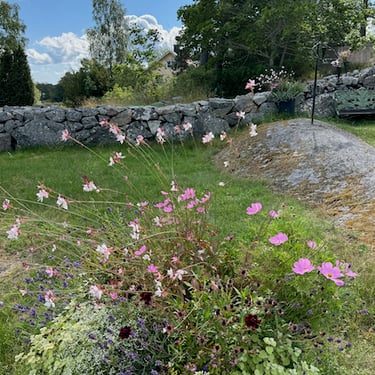
Giant's cauldrons and coastal geology. The eastern shore around Möja has excellent examples of jättegrytor — glacially-carved potholes in the bedrock — alongside the kind of smooth swimming rocks that make Swedish summers what they are.
Where to Stay
STF Möja Vandrarhem (Berg): A charming, family-owned hostel in the old post building in the main village of Berg, converted into a hostel. Accommodation is in two- or four-bed rooms with shared shower and WC, fully equipped guest kitchens on both floors, and outdoor grill and terrace areas. The hostel is within comfortable walking distance of the ferry jetty, harbour, café/bakery, restaurants and the shop. Open April to December. Book at mojavandrarhem.se or via STF.
Private cottages: Möja has many private cottages, guesthouses and rooms to rent — everything from a central flat in Berg to simpler cabins on wild meadows near Löka, or sea-view cottages in Ramsmora and Långviksnäs. Check visitmoja.se for the current listing.
Wild camping: Allemansrätten (the right to roam) applies on Möja and you can camp freely, though not near buildings and not in Björndalen nature reserve where camping is prohibited. The skerries within the reserve are technically accessible for overnight stays under the same rules — this is the heart of the multi-day kayak camping experience and genuinely extraordinary in summer.
Where to Eat
The restaurant situation on Möja has shifted in recent years — confirm current opening status before you arrive, particularly in shoulder season.
Möja Värdshus & Bageri (Berg): The main year-round option in the village hub. Restaurant, home bakery and café. The kind of place where you eat herring and drink coffee while watching the ferry come in.
Jeppes sommarkrog (Långvik): A summer restaurant on an old farm in the curve before Långvik's jetty. Worth the walk or cycle north for the setting alone.
Wikströms Fisk (Ramsmora): A legendary fish seller — herring, perch, whitefish, cod — family-operated, with the feeling of arriving at an archipelago homestead from a hundred years ago. Note that sources indicate they may have permanently closed; verify before visiting.
Hamncafét (Berg): Good for coffee, provisions and water refills in summer.
One practical note: in the northernmost village of Långvik there is an unstaffed shop open 05:00–22:00. The Coop in Berg is open year-round. If you're planning multi-day kayak camping, provision in Berg before you set out.
Easy Island Hopping: A Two-Day Itinerary Without Your Own Boat
The båtluffarbiljett (five-day pass, 445 SEK) is your friend here.
Day 1: Ferry from Stockholm or Sollenkroka to Berg on Möja. Pick up kayak rental. Afternoon paddle into the reserve — overnight at the vandrarhem or wild camp on a skerry if you've brought a tent. Dinner at Möja Värdshus.
Day 2: Morning paddle or cycle the length of Möja. Afternoon ferry back via Waxholmsbolaget — or push further north to Finnhamn, or south toward Nämdö or Träskö-Storö, all covered by the same pass. Träskö-Storö lies between Möja and Svartsö in the central archipelago and is popular among boaters. Svartsö itself has a well-regarded restaurant and is a short hop by scheduled boat.
The archipelago doesn't require a boat of your own. It requires a pass, a bag, and a willingness to let the timetable set the pace.
Before You Go: Practical Notes
Respect the reserve rules. Digging up plants, intentionally damaging ground vegetation, or disturbing wildlife — including climbing in nesting trees or collecting eggs — is prohibited. Leave the skerries exactly as you found them.
Check wind conditions before paddling into the reserve. The outer skärgård is exposed. A forecast showing 5–8 m/s easterly is not the day to push beyond the inner skerries if you're not an experienced sea kayaker.
Bring more water than you think you need. Fresh water is available at the harbour café in Berg in summer, but the skerries have none.
The best months are June through September. July is busy — the Waxholmsbolaget ferries fill up on weekends. Late August and early September offer the same light, fewer people, and blueberries.
Möja has been here since at least the Viking Age, and the water around it has been paddled in some form for just as long. When you push off from Bergs brygga heading east and the island falls away behind you, you're joining a very long line of people who've done exactly the same thing. That feeling doesn't get old.
Tags: Stockholm, Stockholms skärgård, Möja, Kajak, Island Hopping, Naturreservat, Skärgårdsguide, Outdoor Sweden, Travel Tips, Sustainable Travel, Swedish Summer